
The Power of Gut Loading Crickets for Healthier Pets in 2026
Gut loading crickets with vitamins and minerals transforms reptile nutrition, delivering vibrant health. It's a simple practice with profound benefits.
As a longtime reptile enthusiast, I’ve learned that the secret to a thriving exotic pet often lies in the tiniest details of its diet. Over the years, my scaly companions have devoured thousands of crickets, but it wasn’t until I started paying attention to what those crickets ate that I saw a genuine transformation in my pets’ energy levels, coloration, and overall health. The practice is called gut loading, and if you’re not already doing it, you’re missing out on one of the easiest ways to supercharge your reptile’s nutrition.
So, what exactly is gut loading? Simply put, it means feeding crickets a nutrient-dense diet before offering them to your pet, so that when your reptile dines, it receives all the benefits of those carefully chosen foods. Think of crickets as tiny, hopping lunch boxes. If you fill those lunch boxes with junk, your pet gets junk. But pack them with vitamins, minerals, and fresh goodness, and every bite becomes a health boost. Whether you keep a bearded dragon, leopard gecko, or chameleon, this principle remains the same: the nutrition crickets receive directly determines the nutrition your pet absorbs.
Now, you might wonder, can’t I just feed my crickets whatever is cheapest and call it a day? Sure, but are you willing to gamble with your pet’s long-term well-being? I learned this the hard way when one of my geckos developed a mild calcium deficiency despite dusting crickets with supplements. The turning point came when I realized that the crickets themselves were nutritionally empty before dusting even entered the picture. A gut-loaded cricket delivers a far more substantial nutritional punch than a starved one sprinkled with powder.
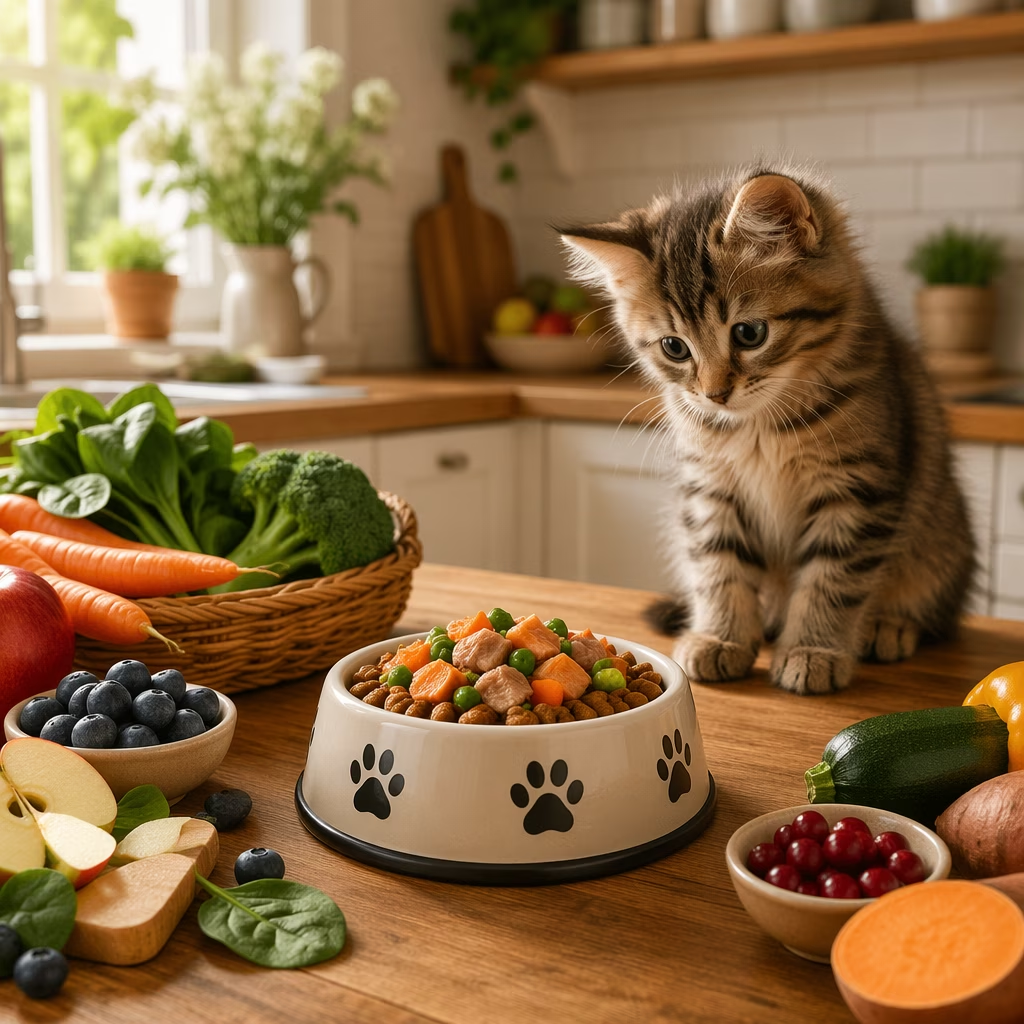
The ingredients you choose for gut loading matter immensely. Commercial options are incredibly convenient—I often grab a prepackaged reptile gut-loading formula made by trusted brands like Flukers. These are scientifically balanced to meet the dietary needs of feeder insects. But you can also get creative with a mix of fruits and vegetables. Dark leafy greens such as romaine, kale, and collard greens are powerhouses of vitamins. Add in slices of squash, sweet potatoes, carrots, apples, and even oranges for a vitamin C kick. I’ve even used potato peelings (yes, even those work!), alfalfa, baby rice cereal, and wheat germ to add variety. The key is diversity—a narrow diet means narrow nutrition. If you’re going the homemade route, always sprinkle the food with a high-quality reptile vitamin and calcium supplement. It’s a foolproof way to ensure no essential mineral is left behind.
Batch buying crickets has been a game changer for my budget. As of 2026, ordering online in bulk from suppliers like Ghann’s Cricket Farm, Timberline, or WormMan Worm Farm can slash costs significantly compared to weekly pet store runs. But here’s the catch: crickets only live for about two to three weeks. I once ordered 1,000 crickets for my juvenile bearded dragon, only to watch half of them outgrow the ideal size before he could eat them all. Now, I carefully calculate how many crickets my pets consume in a week and order accordingly. If you need small crickets, stick to smaller quantities or be prepared to harvest them quickly. Local pet stores and reptile expos are also goldmines for discounts—never underestimate the deals you can find at a bustling herp show when breeders are looking to move inventory.
Of course, raising crickets at home comes with its own set of challenges you can’t ignore. Have you ever woken up to the incessant chirping of a male cricket loose in your bedroom? I have, and trust me, finding him in the middle of the night is a test of patience. Crickets are noisy, especially when colonies are large. They also develop a distinctive odor if not kept immaculate—regular cleaning is a non-negotiable. And escapees? They’re almost guaranteed. These little jumpers can squeeze through the tiniest gaps, and they’re surprisingly difficult to catch once they’ve infiltrated your living space. If you live in an apartment, take extra precautions. Your neighbor probably won’t appreciate a cricket chorus at 2 a.m.
Despite these hurdles, the payoff is immense. When I watch my reptiles eagerly snap up a nutrient-loaded cricket, I know I’m providing them with a diet that mimics the rich variety they would enjoy in the wild. The vibrancy of their colors, the robustness of their appetites, and the strength in their limbs reassure me that gut loading is worth every bit of effort. My question to you is: if a few extra minutes of preparation each day can dramatically improve your pet’s quality of life, why wouldn’t you do it? Whether you’re a seasoned keeper or just starting your reptile journey, gut loading is the foundational step that turns a simple feeder insect into a superfood. So the next time you open that bulk container of crickets, think beyond survival—think about thriving. Your scaly companion will thank you for it.
Comments