
The Hidden Dangers of Holiday Feasts for Canine Companions
Veterinarians urgently warn that cooked bones pose severe holiday hazards for dogs, causing choking, internal injuries, and life-threatening emergencies.
As families gather around festive tables in 2026, a silent threat often lurks beneath the celebratory cheer for our four-legged family members. The tradition of sharing scraps, particularly bones, with dogs is deeply ingrained, yet veterinary science continues to sound a clear alarm: not all treats are created equal, and some can transform a joyful occasion into a medical emergency. The holidays, with their abundance of rich foods and distracted guests, present a perfect storm of risks for curious canines. Understanding these dangers is not just an act of caution; it's a critical component of responsible pet ownership during a season of giving.
The Peril of the Cooked Bone: A Fragile Weapon
The image of a dog contentedly gnawing on a bone is as iconic as it is misleading when it comes to cooked varieties. Veterinarians unanimously warn that all types of cooked bones should be strictly off-limits. The cooking process fundamentally alters the bone's structure, making it brittle and prone to splintering. These splinters are not mere annoyances; they are like razor-sharp shards of glass navigating a delicate internal landscape. Hollow bones from poultry, such as chicken and turkey, are especially notorious for splitting, but no cooked bone is safe.
The potential consequences, as outlined by veterinary experts like Dr. Brian Carson, DMV, and organizations like VCA Animal Hospitals, are severe and multifaceted:
-
Oral Trauma: Broken teeth, and lacerations to the mouth and tongue.
-
Choking Hazard: Bones can become lodged in the throat.
-
Internal Catastrophe: Splinters can scratch or even perforate the esophagus, stomach, and intestinal lining.
-
Life-Threatening Blockages: Larger pieces can create obstructions in the intestines, a surgical emergency.
"[Cooked bones] can scratch the esophagus, they can scratch the gastrointestinal tract, they can even cause a penetrating injury, which is one of the worst things we can see from them," Dr. Carson emphasized. Preventing access is the first line of defense. This means vigilant management of the kitchen, dining area, and trash, and clear communication with all guests about the dangers of feeding table scraps.
When Prevention Fails: Recognizing the Emergency
Despite best efforts, a determined dog might still snag a forbidden morsel. If you suspect your dog has consumed a cooked bone, immediate consultation with a veterinarian is non-negotiable. Be prepared to inform them about the type of bone ingested. The vet may instruct you to induce vomiting, bring your dog in for emergency care, or monitor closely.
Owners should watch for signs of distress, which can be as subtle as a change in behavior. Key symptoms include:
😟 Vomiting or retching
😟 Lethargy and unusual tiredness
😟 Excessive drooling or panting
😟 Restlessness, pacing, or signs of abdominal pain
😟 Loss of appetite
Monitoring your dog closely after a suspected ingestion is crucial, and erring on the side of caution by calling your vet is always the wisest course.
Beyond Bones: A Holiday Menu of Hazards
Cooked bones are just one item on a long list of human foods that are toxic or dangerous to dogs. The U.S. Food and Drug Administration and veterinary professionals highlight several common holiday ingredients as particularly hazardous:
| Food Item | Primary Danger |
|---|---|
| Chocolate & Macadamia Nuts | Found in desserts; cause neurological issues, vomiting, tremors. |
| Grapes, Raisins, Currants | Can cause sudden kidney failure, even in small amounts. |
| Onions, Garlic, Chives | Damage red blood cells, leading to anemia. |
| Xylitol (Artificial Sweetener) | Causes a rapid insulin release, leading to hypoglycemia and liver failure. |
| Alcohol | Depresses the nervous system; even small amounts are dangerous. |
| Fatty & Fried Foods | Can trigger pancreatitis, a painful and serious inflammation. |
| Raw or Undercooked Meat/Dough | Risk of bacterial contamination (Salmonella, E. coli) or intestinal blockage from dough. |
These items can act like invisible landmines in a holiday spread, their danger not apparent to the well-meaning guest who wants to share the feast.
Safer Celebrations: What Can You Share?
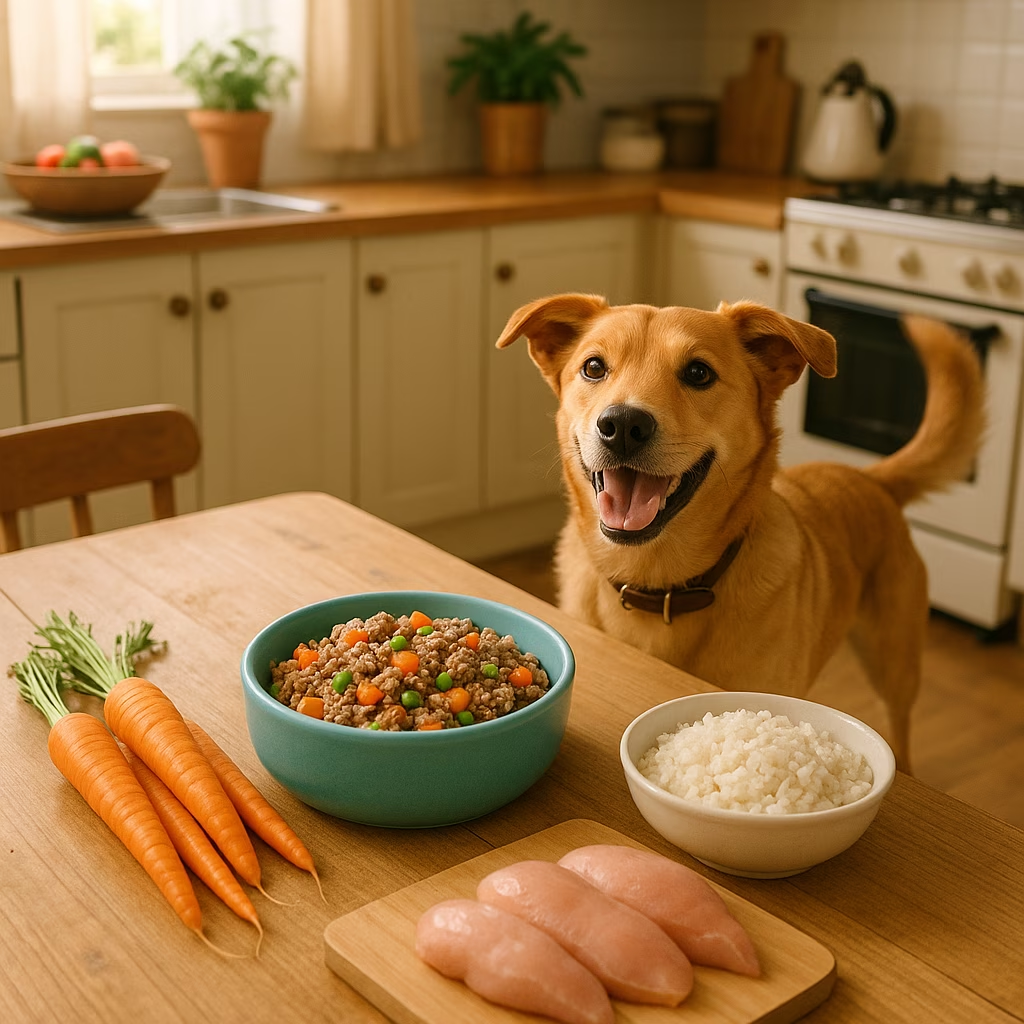
Thankfully, the holidays don't have to be a total treat-free zone for pets. Dr. Carson suggests that if you wish to include your dog in the feast, offer small, plain portions of safe foods. Suitable options include:
-
A modest amount of plain, cooked turkey meat (skinless and boneless).
-
Plain, cooked green beans or carrots.
-
A spoonful of plain pumpkin puree (not pie filling, which contains spices and sugar).
These treats should be given in moderation to avoid upsetting your dog's stomach.
The Raw Bone Debate: A Calculated Risk
While raw bones and antlers are often marketed as safer, natural alternatives, the veterinary community advises caution. They are generally less prone to splintering than cooked bones, but they are not risk-free. Potential issues include:
-
Dental Fractures: Hard bones and antlers can break teeth.
-
Choking or Blockage: Dogs can swallow large, indigestible chunks.
-
Bacterial Contamination: Raw bones carry risks of Salmonella or E. coli, threatening both pet and human household members.
Dr. Carson notes the importance of sizing: "If you give a 60 or 80-pound dog a piece of rib, they're more likely to swallow that whole than a chihuahua." He personally does not recommend them due to the risk of swallowing large pieces. If you choose to offer a raw bone, it should be size-appropriate, and your dog must be supervised continuously during chewing, with the bone removed once it becomes small enough to swallow.
A Call for Vigilance in 2026
As we move further into the decade, the core message remains unchanged: an informed owner is a dog's best advocate. The holidays are a time of joy, but for pets, they can be a season of heightened risk. By keeping dangerous foods securely out of reach, educating every guest in your home, and knowing the signs of trouble, you can ensure the season is merry and safe for every member of the family. If an accident occurs, remember that swift action is key. Contact your veterinarian or the ASPCA Animal Poison Control Center immediately. In the intricate dance of holiday hosting, protecting our pets is one step we cannot afford to miss.
Comments