
The Gentle Giants: A Guide to Caring for French Lop Rabbits
Discover the majestic French Lop rabbit—gentle giant, placid companion, and robust pet—perfect for those seeking a serene, long-term bond.
In the quiet corners of a home, where soft light filters through the window, a gentle giant with velveteen fur and ears like fallen petals might be found. The French Lop rabbit, a creature sculpted from the lineage of English lops and the stately giant papillons, carries with it an aura of serene grandeur. Weighing a substantial ten to fifteen pounds, with some individuals tipping the scales even further, these rabbits are not merely pets but placid companions known for their robust health and calm, easygoing nature. Their lifespan, a journey of five to eight years with the potential to grace a home for up to twelve, offers a long-term bond for those seeking an alternative to the fleeting company of smaller creatures. They are most active in the magical hours of dawn and dusk, yet their days are often spent in peaceful repose, embodying a relaxed spirit that endears them to adults and children alike. 🐇
A Palace for a Placid Soul
Space is the first gift one must give to these sizable companions. An indoor French Lop requires a kingdom of at least 4.5 feet by 4.5 feet, though larger enclosures are a benevolent gesture for their well-being. While store-bought castles exist, many craft their own realms using exercise pens and repurposed dog crates—a testament to the creative care these animals inspire. For those dreaming of an outdoor hutch, security is paramount; it must be a fortress against both escape and the silent threat of predators. Within this domain, the choice of bedding is a delicate art. Cedar and pine shavings, with their aromatic oils, are banished for they can whisper troubles to sensitive lungs and skin. Instead, the throne should be made of aspen, timothy hay, or recycled paper—materials that promise comfort without harm.
The Feast of Greens and Hay
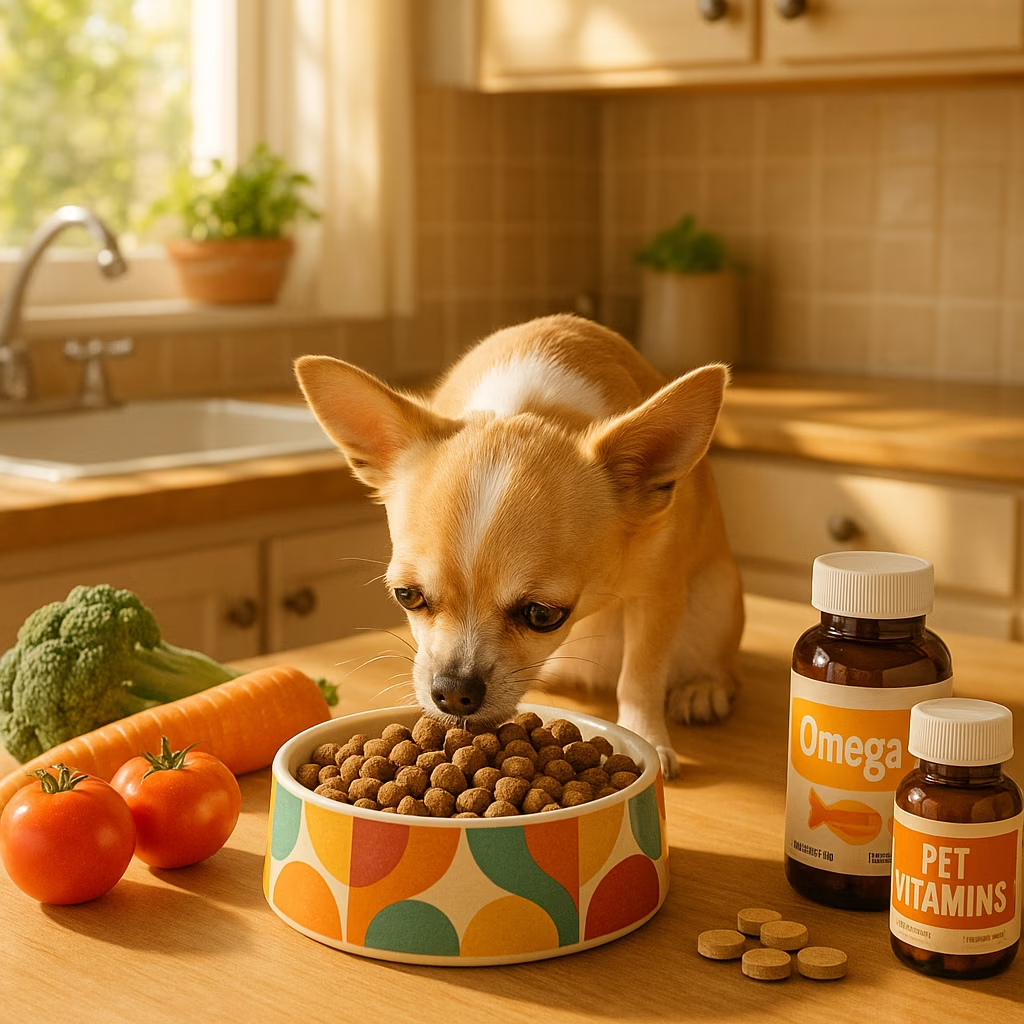
Their diet is a simple, vital poetry. A foundation of lush grass hays and dark, leafy greens forms the core of their sustenance, with a modest offering of seed-free, color-free pellets—about half to three-quarters of a cup, guided by their noble weight. Treats are sweet verses of sugar-free cereals, crackers, and the occasional non-green fruit or vegetable, but these must be offered sparingly. For an imbalance in this culinary sonnet can lead to the dreaded silence of ileus, a gastrointestinal stasis where the digestive tract ceases its vital song. Fresh water, clear and abundant, is the constant refrain.
Vigilance and Veterinary Care
Despite their sturdy constitution, French Lops are not immune to life's frailties. A watchful guardian must be alert to the specters of dental malocclusion, the itch of ear and skin mites, the clouding of eyes, and the whisper of respiratory issues. Ileus and reproductive ailments also lurk. Each requires the skilled hand of a veterinarian versed in the unique language of lagomorphs. Preventive care, including spaying or neutering, is a profound act of love—it prevents unwanted litters, curtails aggressive tendencies in males, and dramatically reduces the risk of reproductive cancers, weaving more healthy years into the tapestry of their lives.
The Joy of Training and Bonding
Beneath that calm exterior lies a keen and playful intelligence. French Lops are adept students, capable of learning simple tricks, answering to their name, and mastering the use of a litter box—a training triumph that grants them greater freedom to explore a rabbit-proofed home. With patience and tasty incentives, they can even be coaxed to walk gracefully on a harness and leash, or to engage in a gentle game of fetch. This mental stimulation is as crucial as physical exercise, which itself is the drumbeat of health, maintaining muscle, sparking curiosity, and ensuring the digestive system's continuous, vital dance.
The Ritual of Grooming
Their fur, while not long, is dense and requires a tender touch. A soft bristle brush passed over their coat weekly helps manage the biannual great molts of spring and fall, when tufts of fur drift like down. Nail trims are a necessary kindness. But the most sacred of grooming rituals involves those magnificent, flopping ears. They must be kept clean and dry, for their folded nature can trap debris and moisture, creating a haven for infection. Baths are rare events, reserved only for dire messes; a rabbit submerged can catch a chill, a precursor to ileus. Instead, a spot clean with lukewarm water and mild soap, followed by thorough, gentle drying—especially of those delicate ears—is the way of the careful caretaker.
The Realities of Companionship
The decision to welcome a French Lop is a commitment measured in space, time, and resources. Financially, one can expect to spend around $75 monthly on the freshest of feasts, with another $10-$20 for toys and bedding. Budgeting for both routine and unexpected veterinary care is a non-negotiable pillar of responsible ownership. Yet, for those who provide, the reward is a deeply personable bond. These are not cage-bound ornaments but interactive, affectionate beings who crave engagement and return it with quiet, playful devotion.
Finding Your Gentle Giant
The quest to find a French Lop can lead down several paths. Reputable breeders, often found through the American Rabbit Breeders Association, rabbit shows, or 4-H clubs, typically charge between $30 and $100, with pedigree and rare coloring influencing the price. For those wishing to offer a second chance, rabbit rescues and local chapters of the House Rabbit Society are noble avenues to explore. If dreaming of a multi-rabbit warren, remember: opposite sexes require spaying to prevent a population explosion, while two males will need neutering to live in harmony. It is a small procedure for a lifetime of peace.
In the end, the French Lop rabbit is more than a pet; it is a serene presence, a soft weight in the lap, a quiet intelligence in the home. Their care is a rhythmic practice of provision, vigilance, and gentle interaction—a daily poem written in hay, greens, clean bedding, and loving attention. For the right household, they are not just an alternative to a cat or guinea pig, but a unique and profoundly rewarding chapter in the story of shared lives.
Comments