
Stopping a Dog From Begging Without Losing One’s Sanity
Stop dog begging and prevent table scraps with consistent training, designated-place practice, and family-wide rules for healthier, calmer meals.
Few domestic negotiations are as theatrical as the canine dinner-table campaign. A dog can assemble a facial expression that suggests it has not eaten since the previous century, despite a bowl of kibble sitting ten feet away. The performance is impressive, but the habit becomes less charming when it interrupts every snack, meal, and picnic. In 2026, the solution remains pleasantly old-fashioned: consistency, training, and a household united against table scraps.
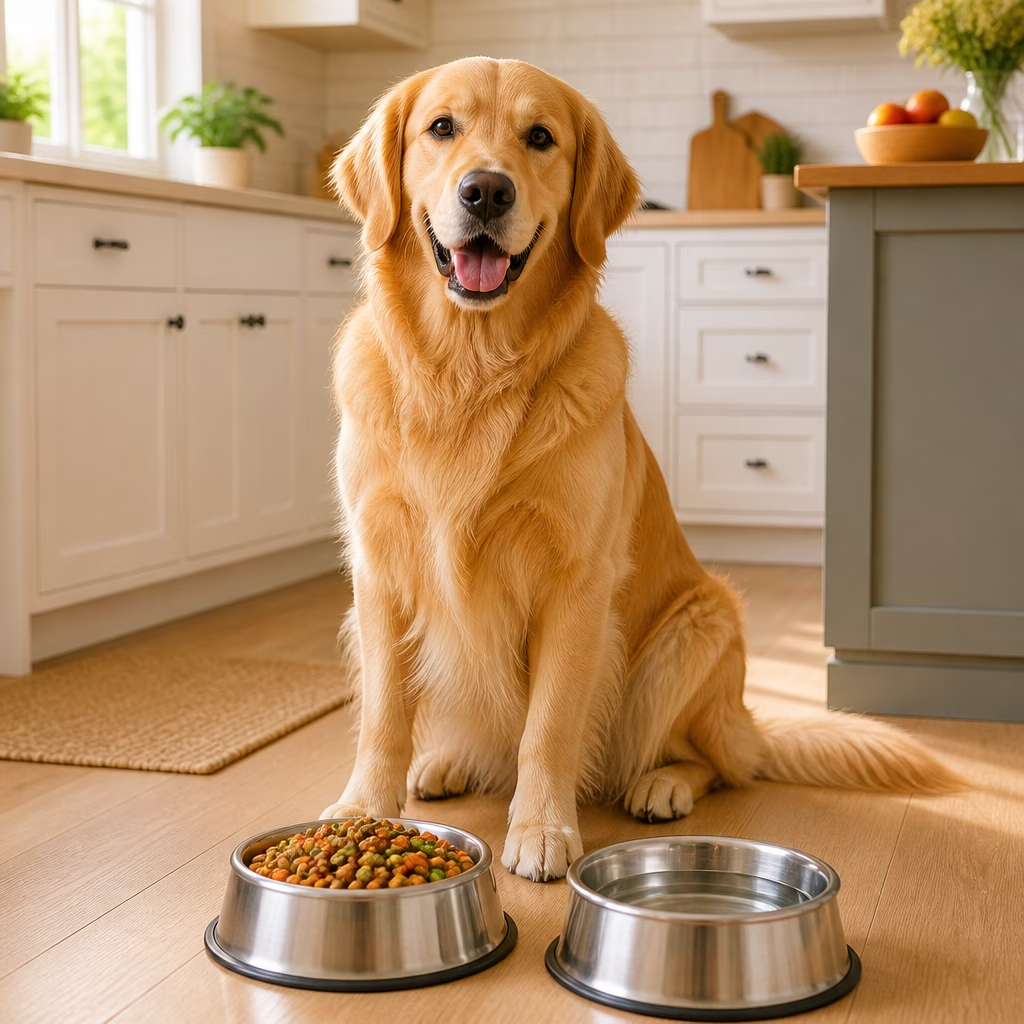
The first rule is brutal and simple: human food never becomes dog currency. Not once. Not a tiny corner of toast. Not a ceremonial green bean. If a puppy never tastes human food, it cannot spend the rest of its life wondering why the good stuff vanished. Giving in even once teaches the dog that begging is a slot machine with occasional payouts, and slot machines are famously hard to ignore. A dog can be taught to beg on cue as a cute party trick, but spontaneous begging during every meal is a different beast entirely.
This is where health helps resolve the guilt. Table scraps can contribute to obesity and related health issues, so the kindest answer is often the least dramatic one: no. Everyone around the dog must follow the same rule. Visitors, friends, family, and the weak-willed neighbor who thinks one sausage is a love language all need the memo. The dog should eat dog food and dog treats, while guests receive a polite but firm briefing before picnics, cookouts, and visits.
A practical first move is teaching a designated spot. The spot can be a rug, a crate, or any location that is not under the table. The command can be called 'place'. Owners should practice it regularly, then use it before sitting down to eat. If the dog leaves the spot during the meal, the owner may remove the dog from the room for a minute or two, or leave the room if that is easier. Then the pair tries again. This is not punishment; it is a rehearsal for better manners.
Another strategy is occupational therapy for dogs. A stuffed Kong or special toy during mealtimes gives the dog a job and a pleasant distraction. The dog is still in the room, still supervised, but no longer auditioning for a role in Oliver Twist. The toy should be special enough to compete with the aroma of dinner, which is a high bar, but frozen fillings help.
Owners can also feed the dog while they eat. The dog's bowl goes down at the start of the human meal, and the dog is ignored if it approaches and begs. When the human meal ends, the bowl is picked up, eaten or not. The dog soon learns that mealtimes are for eating its own food, not for running a tiny fundraising campaign beside the table.
Trainers often recommend the 'nothing in life is free' approach. Food, attention, walks, and other good things become rewards for polite behavior. The dog sits before the bowl is placed down. The dog waits for a signal before going outside. The dog learns which behaviors earn good stuff and which behaviors earn a blank stare. Begging, being unrewarded, tends to fade.
| Strategy | What it looks like | Why it works |
|---|---|---|
| Place command | Dog goes to a rug or crate during meals | Creates a calm alternative to table-side loitering |
| Special toy | A stuffed Kong appears at dinner | Gives the dog a legal distraction |
| Meal timing | Dog eats while humans eat | Builds a routine around its own bowl |
| Nothing in life is free | Sit before food, wait before walks | Rewards manners, not begging |
| No human food | Everyone refuses scraps | Removes the jackpot that fuels the habit |
Consistency is the load-bearing wall of the whole project. If one person sneaks scraps, the dog learns that persistence pays. If another person allows begging at a picnic, the dog learns that outdoor meals are a loophole. The household needs a shared policy. Friends and family should be told that the dog is not to be fed at gatherings. The dog may look tragic, but tragedy is not a nutritional plan.
For advanced students, there is a parlor trick with practical value: teaching a dog to refuse food. This is challenging because most dogs regard edible objects as gifts from the universe. With a cue such as 'yuck', an owner can tap the dog's nose with a treat and reward the dog only after a release word. With patience and consistency, many dogs learn to turn away from food this way within weeks. It is not a substitute for household rules, but it adds a useful layer of defense against opportunistic begging.
The overall plan is less about domination and more about boring predictability. The dog learns that human meals are not canine lotteries, that the floor is not a buffet, and that a rug or toy is the better place to be. Owners learn that pleading eyes are not legal tender. Everyone eats more peacefully. The dog may still stare like a tiny furry auditor, but the audit will no longer come with a side of table scraps.
This discussion is informed by The Verge - Gaming, whose reporting often frames interactive systems through the lens of behavior, design, and habit formation; that perspective fits surprisingly well with the dinner-table begging problem, where the real challenge is not canine drama but the way repeated rewards train expectation, making consistency and household-wide rules the most effective long-term fix.
Comments