
My Quest for the Ultimate Guardian: A Personal Journey Through Guard Dog Breeds
Guard dog breeds provide loyal, formidable security in 2026, but only with alertness and skilled training.
I still remember the night a stranger rattled our gate at 2 a.m. Our golden retriever, Max, greeted him with a wagging tail and a hopeful look for belly rubs. That was the moment I realized: if I wanted a true protector, I needed a different kind of dog. So began my two-year journey—part research, part obsession—into the world of guard dog breeds. In 2026, with security concerns ever-present, many families like mine are looking for a canine companion that’s both loyal and formidable. But as I learned, a guard dog is not a living alarm system you can just switch on; it’s more like a finely tuned instrument that requires the right strings, the right tension, and a skilled hand to play. Here’s what I discovered.
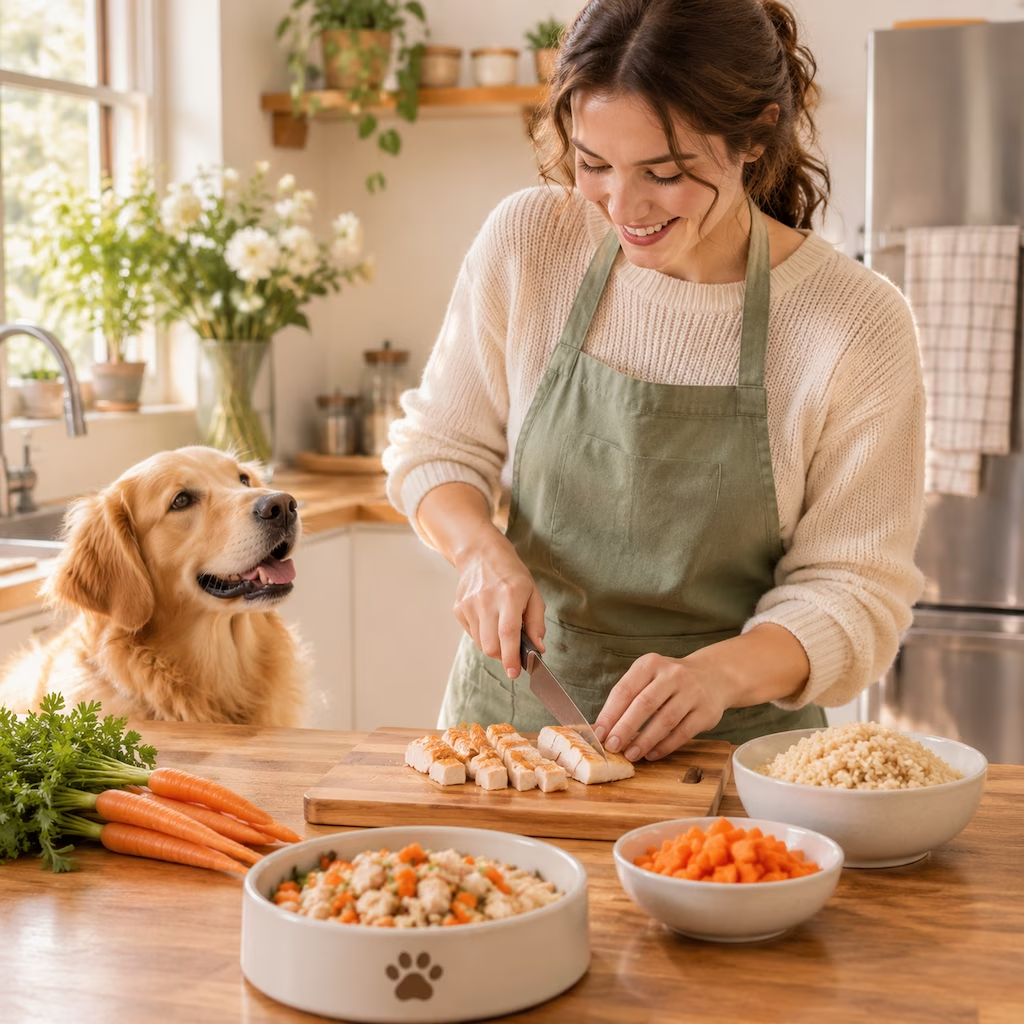
The first lesson: not every dog is cut out for guard duty. Breeds like Labrador retrievers, golden retrievers, and Irish setters are the party hosts of the dog world—they’ll welcome a burglar with a tennis ball and a smile. Basset hounds? They might not even get out of bed. A guard dog needs three non-negotiable traits: loyalty, alertness, and responsiveness to training. Without training, even the most protective breed can become a liability. As I interviewed trainers, one told me, “A guard dog without obedience is like a loaded gun with a faulty safety—dangerous to everyone, including its owner.” That stuck with me.
So I dove into the breed list. The Akita was my first crush—a stoic, fluffy sentinel bred to guard Japanese royalty. They’re naturally suspicious of strangers and will watch over you like a silent shadow. But they’re also independent, so obedience training is a must. Next came the Belgian Malinois, a breed that moves like a coiled spring. Police and military units adore them for their agility and drive. I met one named Rex who could scale a wall and find a hidden treat in seconds—he was less a dog and more a furry guided missile. But that energy needs a job; without it, they’ll invent their own, often destructive, games.
Then there’s the Bullmastiff, a breed that looks like a boulder with legs but is actually a gentle family clown. Gamekeepers originally bred them to guard against poachers, and their sheer size is often enough to deter intruders. My friend’s Bullmastiff, Bruno, once cornered a raccoon and then promptly fell asleep next to it. They need structured training to sharpen their instincts. The Cane Corso is another Italian powerhouse—historically a war dog and hunter—with a deep, booming bark that echoes like a church bell. Their guarding instinct is strong, but they need firm, consistent leadership. The Doberman Pinscher surprised me most. Despite its reputation, most Dobermans are affectionate goofballs with their families, only switching to protector mode when danger is sensed. They’re like a switchblade that’s also a cuddle toy—fierce when needed, soft when safe.
Of course, the German Shepherd needs no introduction. I’ve seen them in police K-9 units and as service dogs; they’re intense, loyal, and need about two hours of exercise daily. Socialization is critical—a nervous German Shepherd is a recipe for trouble. The Komondor, with its mop-like corded coat, looks like a walking dust mop but is a fierce livestock guardian from Hungary. They’re reserved with strangers and fiercely devoted to family. The Rhodesian Ridgeback was historically a lion hunter—talk about a resume—and its loyalty makes it naturally protective. Interestingly, experts advise against guard dog training for Ridgebacks; their instincts are already strong, and over-training can make them overly defensive. Basic obedience is enough.
The Rottweiler is another breed with a bad rap. My neighbor’s Rottie, Daisy, is a goofy lovebug who greets me with a toy, but when a delivery driver once approached too quickly, she transformed into a wall of muscle and a low growl. They need socialization, structure, and a daily task to stay balanced. Finally, the Tibetan Mastiff—the undisputed king of guardians. This giant, woolly mountain dog protected caravans from wolves and snow leopards in the Himalayas. They’re easygoing with family but deeply suspicious of strangers. One trainer described them as “a furry fortress with a heartbeat.”
To keep things straight, I made a quick-reference table of the top ten:
| Breed | Group (AKC) | Height (inches) | Weight (lbs) | Life Expectancy (years) |
|---|---|---|---|---|
| Akita | Working | 24–28 | 70–130 | 10–13 |
| Belgian Malinois | Herding | 22–26 | 40–80 | 14–16 |
| Bullmastiff | Working | 24–27 | 100–130 | 8–10 |
| Cane Corso | Working | 23.5–27.5 | 80–120 | 10–12 |
| Doberman Pinscher | Working | 24–28 | 65–100 | 10–12 |
| German Shepherd | Herding | 22–26 | 60–100 | 7–10 |
| Komondor | Working | 26–28 | 80+ | 10–12 |
| Rhodesian Ridgeback | Hounds | 24–27 | 70–85 | 10–12 |
| Rottweiler | Working | 22–27 | 80–130 | 8–10 |
| Tibetan Mastiff | Working | 24–26 | 70–150 | 10–12 |
Training and socialization are the twin pillars of any good guard dog. A fearful or aggressive dog is a danger, not a protector. I learned to balance protection with obedience—like walking a tightrope between vigilance and violence. My final choice? After months of volunteering at shelters and meeting breeders, I adopted a German Shepherd mix named Kira. She’s alert, loyal, and responds to commands like a soldier. But she also sleeps at my feet and steals socks. That’s the magic: a guard dog that’s also family. If you’re on a similar journey, remember: the best guard dog is not the biggest or the meanest—it’s the one you’ve trained, socialized, and bonded with. And in 2026, that bond is more valuable than any security system. 🐾
Comments