
Living with a Flat-Coated Retriever: My Experience with This Energetic and Joyful Companion
Discover the flat-coated retriever, an energetic and affectionate Peter Pan dog breed, known for its youthful spirit and sleek black or liver coat. This intelligent and playful companion thrives on adventure and joy.
As I look at my flat-coated retriever, Max, bounding across the yard with that signature puppy-like enthusiasm despite being eight years young, I can't help but reflect on what makes this breed so special. Having shared my life with one for nearly a decade now, I've come to understand why flat-coats are often described as "Peter Pan" dogs—they truly retain their youthful spirit well into their golden years. These medium-sized sporting dogs from England, with their sleek black or liver-colored coats, aren't just pets; they're perpetual optimists wrapped in fur, always ready for the next adventure. While they might resemble golden retrievers at first glance, flat-coats have their own distinct personality and requirements that every prospective owner should understand before welcoming one into their home.

🐾 Breed Characteristics: More Than Just a Pretty Coat
Let me break down what makes flat-coated retrievers stand out from the canine crowd:
Physical Attributes:
-
Height: Females 22-23.5 inches, Males 23-24.5 inches
-
Weight: 60-70 pounds of pure athleticism
-
Coat: That signature medium-length, smooth coat that gives them their name
-
Colors: Primarily black or liver—no golden variations here!
-
Lifespan: 8-10 years (though every year is packed with joy)
Personality Traits (The Good Stuff!):
-
Temperament: Affectionate, energetic, and playful to the core
-
Energy Level: High—like, really high
-
Social Skills: Generally excellent with kids and other dogs
-
Intelligence: Sharp as a tack and eager to please
What really sets flat-coats apart is their combination of intelligence and eternal optimism. They approach every day like it's Christmas morning and every task like it's the most fun game ever invented. This breed doesn't just retrieve objects—they retrieve joy and spread it everywhere they go.
📜 A Bit of History: From Victorian England to Modern Day
Understanding where these dogs come from helps explain why they are the way they are. The flat-coated retriever's story begins in mid-1800s England, where breeders mixed:
-
St. John's water dogs (the ancestors of Labradors)
-
Various setter breeds
-
Collie breeds (contributing to their intelligence)
-
Spaniel breeds (adding hunting and swimming prowess)
The result? A versatile hunting companion prized for:
-
Athleticism in both field and water
-
That weather-resistant coat (perfect for icy English waters)
-
An eagerness to work that's matched only by their enthusiasm
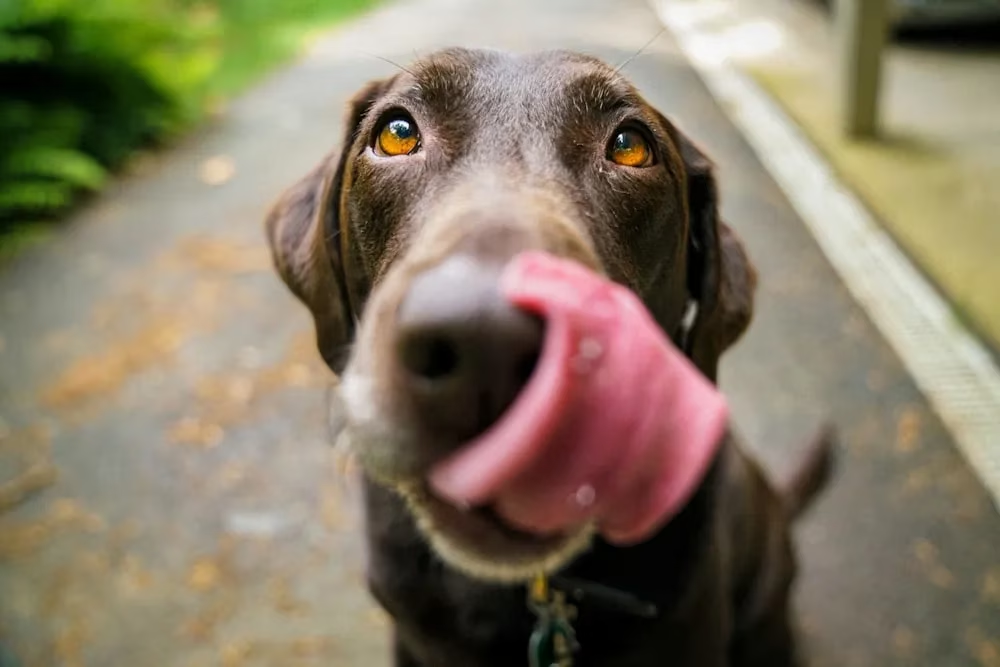
By the early 1900s, they were England's most popular retriever—until Labs and goldens stole the spotlight. World Wars nearly wiped them out, and even today in 2026, they remain relatively rare. The AKC recognized them back in 1915, but they've always been a "best-kept secret" kind of breed.
🏋️ Training & Care: Keeping Up with the Energizer Bunny
Exercise Requirements (No Joke!)
Living with a flat-coat means committing to at least 2 hours of daily exercise. And I don't mean leisurely strolls—I'm talking about:
-
Long, brisk walks or runs
-
Cycling together (they make great running partners)
-
Hiking adventures
-
Swimming sessions (they're natural water dogs)
-
Vigorous games of fetch (until your arm falls off)
Mental stimulation is equally crucial:
-
Puzzle toys to challenge their bright minds
-
Dog sports like agility or rally obedience
-
Training sessions that teach new tricks
Without proper exercise and mental engagement, flat-coats can develop behavioral issues. Trust me, a bored flat-coat is a destructive flat-coat. They're not suited for apartment living unless you're an ultra-marathoner who works from home!
Grooming: Surprisingly Manageable
Despite their flowing coats, grooming is pretty straightforward:
| Grooming Task | Frequency | Notes |
|---|---|---|
| Brushing | Weekly (daily during shedding seasons) | Prevents mats and controls shedding |
| Bathing | Monthly or as needed | More frequent if they love mud puddles (they do) |
| Ear Cleaning | Weekly | Crucial after swimming or baths |
| Nail Trimming | Monthly | Check for overgrowth |
| Teeth Brushing | Ideally daily | Dental health is important! |
Training: Smart but Sensitive
Training a flat-coat is generally a joy because:
-
They're highly intelligent and pick up commands quickly
-
They're eager to please their humans
-
They form strong bonds that make them attentive students
Important training notes:
-
Always use positive reinforcement—they're sensitive souls who don't respond well to harsh methods
-
Start socialization early—expose them to various people, animals, and environments
-
Consider advanced training—many excel as therapy or service dogs
-
Address separation anxiety—they hate being alone for long periods

🩺 Health Considerations: What to Watch For
While generally healthy, flat-coated retrievers are prone to certain hereditary conditions:
Common Health Issues:
-
Hip dysplasia (common in many medium-large breeds)
-
Cancer (unfortunately, they have higher rates than some breeds)
-
Eye problems including progressive retinal atrophy and glaucoma
-
Joint issues like patellar luxation and arthritis
Preventive Care Checklist:
-
✅ Regular vet check-ups (at least annually)
-
✅ Keep up with vaccinations and parasite prevention
-
✅ Monitor for any changes in behavior or mobility
-
✅ Maintain a healthy weight to reduce joint stress
Their average lifespan of 8-10 years feels too short for such wonderful companions, which is why maximizing their quality of life through preventive care is so important.
🍖 Diet & Nutrition: Fueling the Fun
Feeding a flat-coat requires attention to their active lifestyle:
Basic Guidelines:
-
High-quality commercial dog food that's nutritionally balanced
-
Two measured meals per day (rather than free-feeding)
-
Fresh water always available (they drink a lot after exercise)
-
Adjust portions based on age, activity level, and health status
Consult your vet about:
-
Specific dietary needs for your individual dog
-
Whether supplements (like glucosamine) might be beneficial
-
How to adjust feeding as they age
🏡 Finding Your Flat-Coated Companion
In 2026, flat-coated retrievers remain relatively rare, but they're out there!
Adoption Options:
-
Breed-specific rescues (check the Flat-Coated Retriever Rescue network)
-
Local animal shelters (sometimes purebreds come through)
-
Breed waitlists at shelters or rescues
If purchasing from a breeder:
-
Expect to pay $1,000-$2,000 (prices may vary)
-
Always choose reputable breeders who:
-
Health test their breeding dogs
-
Socialize puppies properly
-
Provide transparency about the breed's challenges
-
Offer lifetime support
Red flags to avoid:
-
Breeders who won't let you meet the puppy's parents
-
Those who have multiple litters available simultaneously
-
Anyone who doesn't ask you questions about your lifestyle
🤔 Is a Flat-Coated Retriever Right for You?
Before falling for those soulful eyes, ask yourself:
Ideal Flat-Coat Owners:
-
Active individuals or families who spend lots of time outdoors
-
People with secure yards for play
-
Those who work from home or have flexible schedules
-
Owners committed to extensive daily exercise
-
Families with older children (their energy can overwhelm toddlers)
Probably Not Ideal For:
-
Apartment dwellers without access to ample exercise space
-
People who work long hours away from home
-
Those seeking a low-energy companion
-
Anyone unwilling to commit to training and socialization
🔍 Further Research & Similar Breeds
If you're still on the fence, consider:
Additional Research:
-
Connect with the Flat-Coated Retriever Society of America
-
Talk to current flat-coat owners about their experiences
-
Spend time with the breed if possible
-
Consult with veterinarians familiar with sporting breeds
Similar Breeds to Consider:
-
Golden Retriever – Similar temperament but slightly calmer
-
Labrador Retriever – Comparable energy with different coat care
-
Chesapeake Bay Retriever – More independent but equally water-loving

💭 Final Thoughts from a Flat-Coat Devotee
Living with a flat-coated retriever has been one of the most rewarding experiences of my life. They're not just dogs; they're perpetual sunshine on four legs. Yes, they require commitment—serious exercise, consistent training, and lots of attention. But what you get in return is immeasurable: unwavering loyalty, boundless joy, and a companion who makes every day brighter.
They're the dogs who will:
-
Greet you like you've been gone for years (even if it was five minutes)
-
Turn every walk into an adventure
-
Remind you to find joy in simple things
-
Love you with every fiber of their being
If your lifestyle matches their needs, a flat-coated retriever might just be the perfect partner in crime for all of life's adventures. Just be prepared to have your heart stolen by a black or liver-colored bundle of eternal optimism who will change your life in the best possible ways. As we flat-coat owners like to say: "Once you go flat, you never go back!" 🐶💕
Comments