
Kitten Constipation 2026 Guide: Signs, Causes & What To Do
In 2026, mastering the signs and solutions for kitten constipation is crucial for every kitten parent to prevent serious health complications. Recognizing symptoms like no stool, straining, or lethargy can save your furball from discomfort and potential blockages.
As a kitten parent, noticing a change in your little one's litter box habits can be a major red flag. Kitten constipation is more common than you might think, and in 2026, with our understanding of feline health constantly evolving, knowing the signs and solutions is crucial. A constipated kitten isn't just uncomfortable; it can lead to serious health complications if left unaddressed. The tricky part? If your furball is litter-trained, you might not even notice until you realize you haven't seen any poop for a couple of days. Let's dive into the 411 on keeping your kitten's digestive system running smoothly.
Spotting the Signs: Is Your Kitten Constipated? 🚨
The most obvious sign is, of course, no stool in the litter box. But kittens are masters at hiding discomfort, so you need to be a detective. Here are the key symptoms to watch for in 2026:
-
The Litter Box Clues:
-
Straining or crying out while trying to poop. It's a tough watch.
-
Producing only small, hard, dry balls of stool (think little pebbles).
-
Seeing blood, mucus, or a stool-colored liquid instead of solid poop.
-
-
Behavioral Red Flags:
-
Lethargy and loss of that signature kitten zoomies energy.
-
Poor appetite or refusing their favorite treats.
-
Vomiting.
-
Restlessness, hiding, or vocalizing more than usual.
-
A visibly bloated or tender abdomen.
-
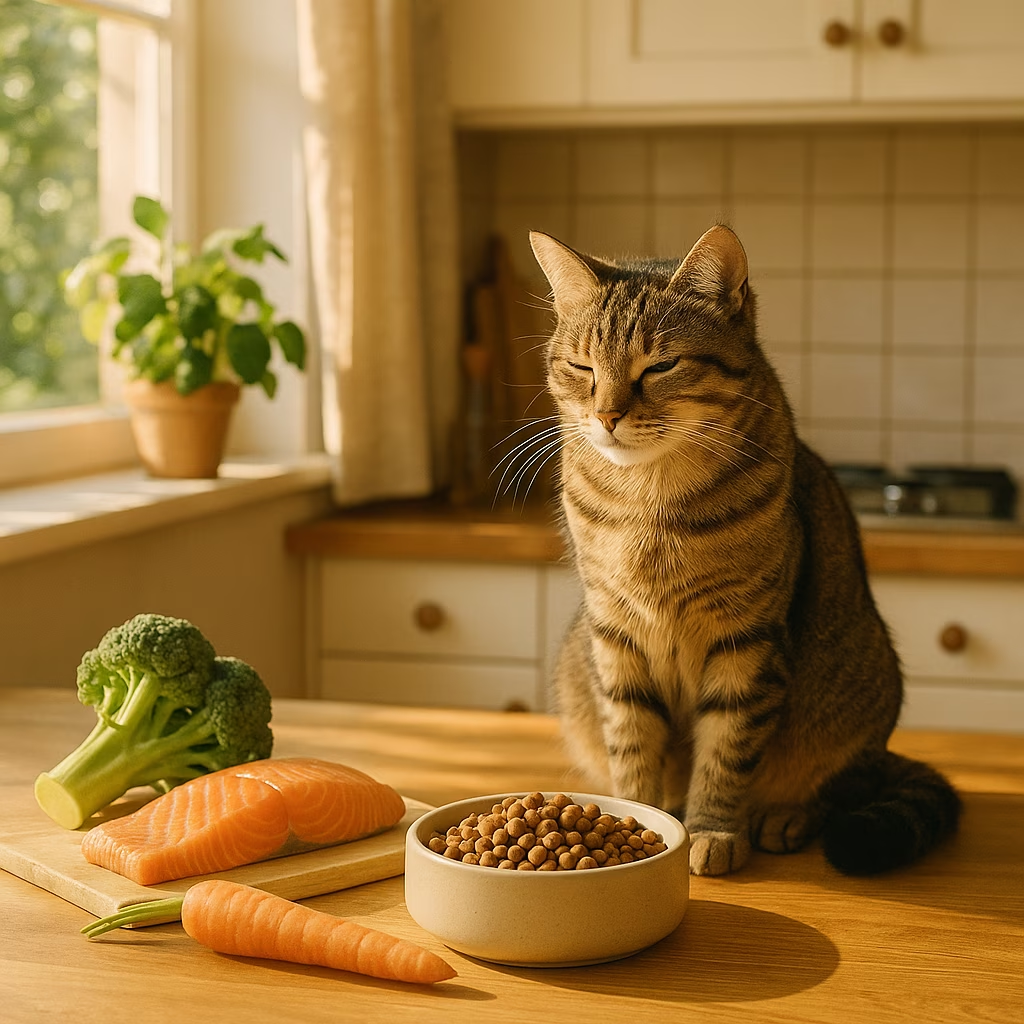
Kittens typically poop at least once a day, but skipping a day occasionally isn't the end of the world. However, if it's been two or more days with zero output, it's time to shift into monitoring mode. We're talking about constipation (difficulty going) or its more severe cousin, obstipation (a complete blockage with no feces passing).
Pro Tip: Make a mental note of what's in the box daily. Knowing what's normal for your kitten is half the battle. If anything looks off, don't hesitate—call your vet.
Why Is This Happening? Common Causes in 2026
Understanding the why helps with prevention. Here’s the lowdown on what can back your kitten up:
| Cause | What Happens | Prevention Tip |
|---|---|---|
| Dehydration 🥤 | The #1 culprit! Dry food diets without enough water lead to hard, dry stool. Common during weaning. | Always provide fresh water. Use cat fountains, add water to food, or feed wet food. |
| Dietary Issues | Low fiber, sudden food changes, or inappropriate human food. | Transition foods slowly. Consider adding a bit of plain canned pumpkin (fiber boost!). |
| Foreign Objects 🧶 | Kittens are curious! Strings, hair ties, floss, or small toys can cause intestinal blockages. | Kitten-proof your home! Keep small, swallowable items out of reach. |
| Hairballs | Ingested fur can clump in the digestive tract, causing a backup. | Regular brushing is a must-do, especially for long-haired breeds. |
| Parasites 🪱 | A heavy burden of intestinal worms can physically block the intestines. | Stick to a regular deworming schedule as advised by your vet. |
| Lack of Stimulation | Unweaned kittens need their mom (or you!) to stimulate their rectum to poop. | If mom isn't around, use a warm, damp cloth to gently wipe their rear after each feeding. |
| Underlying Conditions | Birth defects, neurological issues, or other diseases (rarer in kittens). | Regular vet check-ups are key for early detection. |
Diagnosis & Vet Time: Getting the Right Help
If your kitten is showing severe signs—lethargy, vomiting, no poop for >2 days, a bloated belly—this is an emergency. Contact your vet immediately. Do not, we repeat, DO NOT try to give human laxatives or remedies without vet guidance. You could do serious harm.
At the vet, they'll get the full history and do a physical exam, feeling the abdomen for impacted stool. They might recommend abdominal X-rays to see what's going on inside and confirm constipation or a blockage.
Treatment & Home Care: What You Can Do
For mild cases where your kitten is still eating and playing normally, you can try these vet-approved steps:
-
Hydrate, Hydrate, Hydrate! Add water or low-sodium broth to their wet or dry food.
-
Gentle Belly Massage: Using a soft, circular motion, gently massage their lower abdomen.
-
Get Them Moving: Playtime! Exercise helps stimulate the digestive tract. A good session of chase-the-feather can work wonders.
-
Dietary Fiber Boost: Mix a teaspoon of plain, canned pumpkin (not pie filling!) into their food. The fiber can help get things moving.
If there's no improvement within 24 hours, or if your kitten's condition worsens, it's back to the vet. Professional treatment may include:
-
Enemas to help soften and pass the stool.
-
Manual Removal: In severe cases, vets may need to sedate the kitten and manually remove impacted feces.
-
Fluid Therapy: Subcutaneous (under the skin) or IV fluids to rehydrate the system, which is often the core of the treatment.
Prevention is Key: Keeping Your Kitten Regular
An ounce of prevention is worth a pound of cure, especially with kittens. Here’s your 2026 prevention checklist:
✅ Prioritize Hydration: Multiple water bowls, cat water fountains, wet food diets—make drinking water appealing and easy.
✅ Safe Environment: Kitten-proof rigorously. No loose strings, rubber bands, or small toys they can swallow.
✅ Grooming Routine: Brush your kitten regularly to minimize hairballs.
✅ Parasite Control: Follow your vet's deworming protocol to the letter.
✅ Monitor & Stimulate: For orphaned or very young kittens, remember the post-feeding stimulation with a warm, damp cloth.
✅ Know Their Normal: Pay attention to their daily habits. You're their first line of defense.
Final Word: Your kitten's health is in your hands. Trust your gut—if something seems off, it probably is. Always consult your veterinarian for health advice. They know your pet's history and can provide the best, most up-to-date care. Here's to happy, healthy, and regular kittens! 🐾
Comments