
Hydration is Key: A 2026 Guide to Preventing Feline Urinary Crystals & Stones
Urinary tract health for cats and feline hydration are vital in 2026. Boost your cat’s wellness with simple, effective water strategies and wet food.
Urinary tract health is a perennial concern for cat owners, and as we move through 2026, the core principles remain clear: prevention is far better than treatment. Feline Lower Urinary Tract Disease (FLUTD), encompassing issues like painful crystals and potentially life-threatening bladder stones, is a common reality for many cats. These problems arise when minerals like magnesium, calcium, and phosphorus form sediment in the urine. While treatable, the process is uncomfortable for your feline friend. The good news? A proactive approach centered on one simple element can make all the difference.
So, what's the single most powerful tool in your arsenal? It's not a fancy prescription diet—it's plain water. Think of it this way: can crystals form in a flowing river? Not easily. The same principle applies to your cat's urinary system. By ensuring your cat is well-hydrated, you dramatically dilute the mineral concentration in their urine, creating an environment where crystals and stones struggle to form in the first place. Isn't it fascinating that the simplest solution is often the most effective?
💧 The Great Hydration Challenge: How to Get Your Cat to Drink More
Cats are descendants of desert-dwelling ancestors, making them naturally thirst-tolerant and not always the most enthusiastic water drinkers. This innate trait is why proactive hydration strategies are non-negotiable. Here are the top methods for 2026:
-
Invest in a Cat Water Fountain: Many cats are instinctively drawn to running water, perceiving it as fresher. A fountain provides constant filtration and movement, which can significantly increase water intake.
-
Strategic Bowl Placement: Don't just have one water bowl. Place multiple bowls in quiet, accessible locations around your home, away from their food and litter box.
-
Freshness is Everything: Change the water at least once, if not twice, daily. Stale water is a major turn-off for fastidious felines.
-
The Food Factor: This leads us to the next critical component of urinary health.
🥫 Canned Food vs. Dry Food: The 2026 Perspective
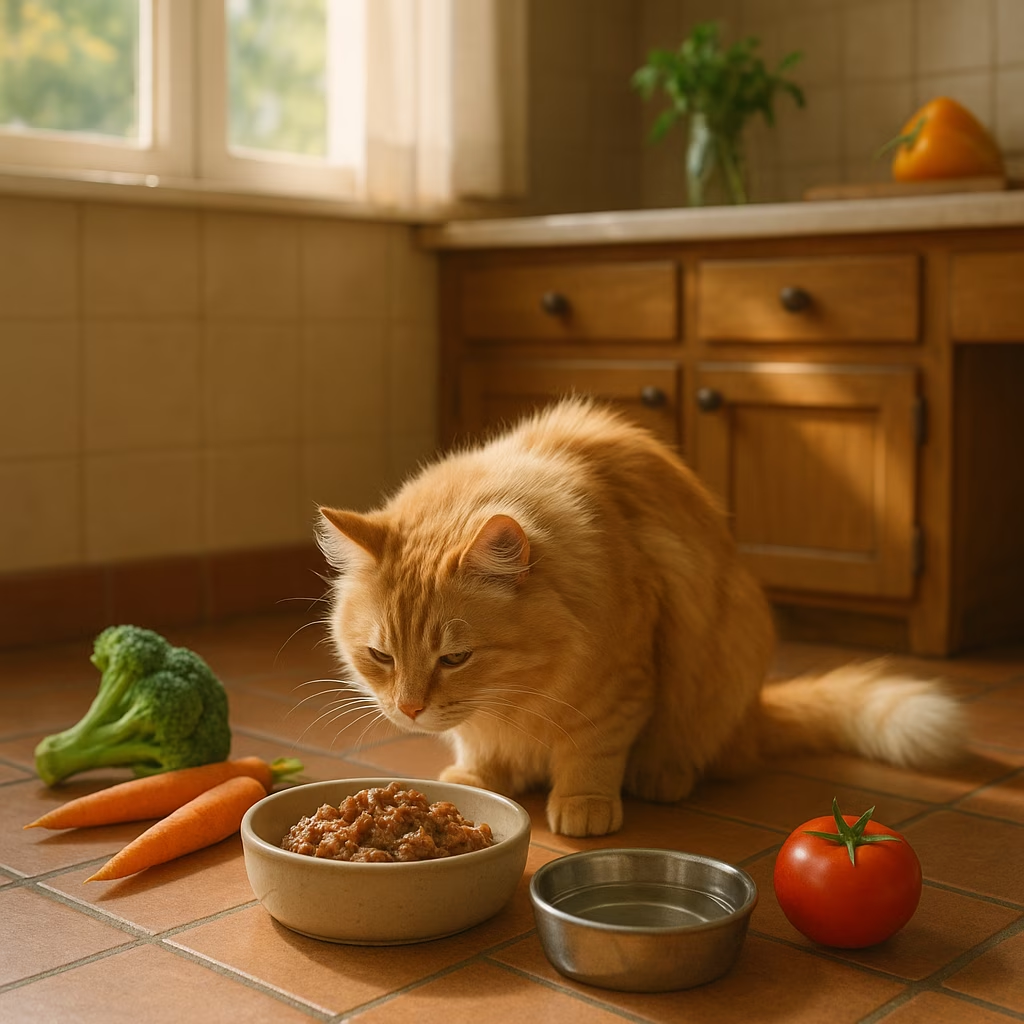
The debate between wet and dry food for urinary health has evolved. While high-quality, pH-balanced dry foods exist, the consensus remains strong: canned (wet) food is generally superior for promoting urinary tract health. Why? Because it has a high moisture content—often around 70-80%—which directly contributes to your cat's daily water intake. Feeding wet food is like giving them a hydrating meal with every serving.
However, if you or your cat prefer dry food (kibble), all is not lost. You can adapt!
-
Supplement with Wet Food: Even adding a spoonful or two of wet food to their daily routine provides a hydration boost.
-
Soak the Kibble: Try adding warm water or low-sodium broth to your cat's dry food and letting it soak for a few minutes before serving. This softens the food and increases its water content.
-
Choose Wisely: If feeding primarily dry food, select a high-quality commercial brand formulated for urinary health. Remember, no specialized "urinary" diet should be used without explicit veterinary advice, as diets preventing one type of crystal can sometimes promote another.
👀 Recognizing the Red Flags: Signs of Urinary Distress
Vigilance is key. Catching problems early can prevent a lot of pain and complications. Be on high alert for these warning signs:
| Symptom | Why It's a Concern |
|---|---|
| Straining to Urinate | Your cat may visit the litter box frequently but produce little or no urine. This is a MEDICAL EMERGENCY, as it could indicate a life-threatening blockage, especially in male cats. |
| Crying or Vocalizing in the Litter Box | This is a clear sign of pain or discomfort during elimination. |
| Blood in the Urine | Even a pink tinge is a definitive sign that something is wrong. |
| Urinating Outside the Litter Box | Cats often associate the pain of urination with their litter box and may start avoiding it, choosing soft surfaces like carpets or beds instead. |
| Excessive Licking of the Genital Area | This can indicate irritation or pain. |
If you observe any of these signs, contact your veterinarian immediately. Do not wait. Early intervention is crucial for a quick recovery and to prevent serious kidney damage or obstruction.
🏆 Your 2026 Action Plan for a Healthy Cat
Let's wrap this up with a simple, actionable checklist to keep your cat's urinary system in top shape:
-
Water is Priority #1: Provide abundant fresh water via fountains and multiple bowls.
-
Incorporate Wet Food: Make canned food a regular part of their diet for built-in hydration.
-
Avoid Table Scraps: Human food can disrupt urinary pH and mineral balance.
-
Monitor Litter Box Habits: You are your cat's first line of defense. Notice changes.
-
Partner with Your Vet: Schedule regular check-ups and never hesitate to call them with concerns. They know your cat's history and can provide the best personalized advice, especially if issues arise.
By focusing on hydration through water and wet food, you are addressing the foundational cause of most feline urinary issues. It’s a simple, effective strategy that empowers you to give your cat a happier, healthier, and more comfortable life. After all, shouldn't every cat have the freedom to enjoy their nine lives without urinary worries?
Comments