
Can Dogs Eat Kale? My 2026 Pro Gamer Vet Story
Can dogs eat kale? Kale safety for dogs is mixed: keep under 10% daily; calcium oxalate and isothiocyanates can cause kidney stones and stomach upset.
I was mid-ranked match one evening in 2026 when my dog Pixel pressed his cold nose against my arm. On my desk sat a bowl of crispy kale chips—the same leafy green that has been strutting around health blogs like it owns the place. I almost tossed Pixel a piece. Then I paused. Hold up, I thought. Is kale actually okay for dogs?
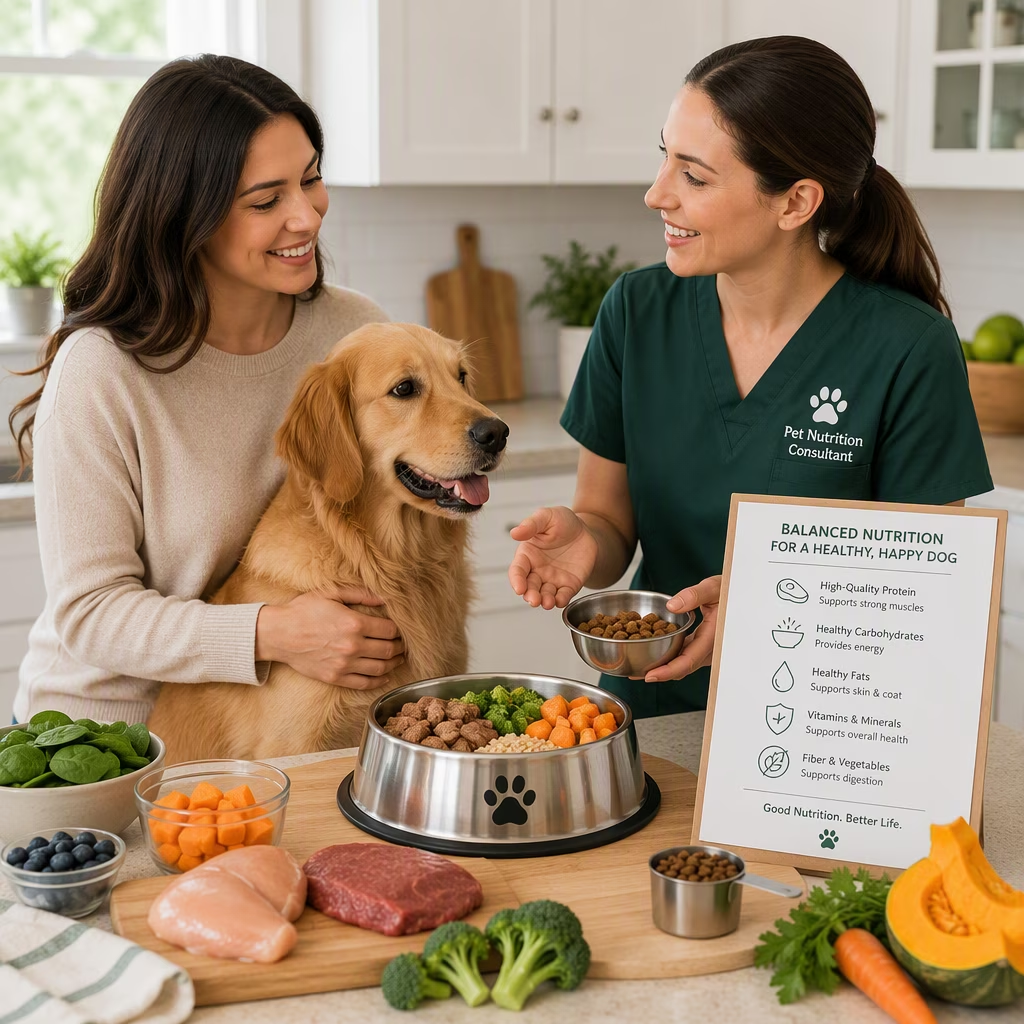
Pixel tilted his head as if he already knew the answer was complicated. I called my veterinarian the next morning, and spoiler alert: kale is not a simple yes or no. It can be safe in small, occasional amounts, but it also hides some sharp edges for a dog's body.
My Vet's Warning: Kale Has a Dark Side
Kale may be a superfood for humans, but for dogs it contains compounds that can cause real trouble. The two main troublemakers are calcium oxalate and isothiocyanates.
-
🥬 Calcium oxalate can lead to kidney stones and bladder stones. Dogs prone to these issues should avoid kale and other calcium oxalate-rich foods such as spinach and beet greens.
-
⚠️ Isothiocyanates are cancer fighters in humans, but in dogs they can cause gastric irritation. Kale, broccoli, and other leafy greens share this risk.
| Compound | What It Can Do in Dogs |
|---|---|
| Calcium oxalate | Kidney or bladder stones |
| Isothiocyanates | Gastric irritation |
The 10 Percent Rule
Here is the golden number from my vet: keep kale at less than 10% of your dog's daily intake. Broccoli and kale are considered safe only under that threshold. If kale creeps above 25% of the diet, it can be toxic, especially for small breeds.
Pixel is a 60-pound Lab mix, so his tolerance may be different from a tiny Chihuahua's. Dog size affects how they process human foods like kale. But even bigger dogs can run into trouble if kale becomes a habit.
Kale may also impair a dog's thyroid function if fed regularly. For dogs with hypothyroidism, frequent kale consumption could interfere with medication. That detail made me extra cautious because thyroid issues can be sneaky.
Does Kale Have Any Upside for Dogs?
Kale is rich in vitamins A, K, and C, plus iron and potassium. It is low in calories and has fiber. Those facts sound impressive. But here is the catch: the actual benefits for dogs are not fully understood. Some dogs may handle occasional kale, but the risks can outweigh the benefits, especially for pets with existing health issues.
My vet put it simply: kale is not a necessary treat. Pixel's health does not depend on a leafy green that can double as a kidney stone ingredient.
How I Serve Kale Safely, If I Do
After that conversation, I changed how I think about kale. If you do feed kale to your dog, follow these steps:
-
🧼 Wash it thoroughly to remove pesticides.
-
🍲 Cook or steam it without seasonings, oils, or salt.
-
✂️ Cut it into bite-sized pieces to prevent choking and help digestion.
-
⚖️ Keep the portion below 10% of the daily intake.
-
🩺 Consult your veterinarian before adding it at all.
I no longer treat kale like a free snack. Pixel gets a tiny piece of plain steamed kale once in a blue moon, and only after a vet nod.
When to Worry
Each dog is unique. What is fine for one may upset another. If your dog eats a significant amount of kale, watch for signs of intestinal upset such as vomiting or diarrhea. Also monitor urination changes, which can hint at kidney or bladder stones. If symptoms appear, contact a veterinarian right away.
Quick Cheat Sheet
| Situation | Recommendation |
|---|---|
| Small, occasional amount | Likely safe under 10% daily intake |
| Regular or large amount | Risk of toxicity, especially above 25% |
| Dog with kidney issues | Avoid calcium oxalate foods |
| Dog with hypothyroidism | Be especially cautious |
Final Boss Thoughts
In 2026, kale still wears its superfood crown for humans. For dogs, it is a sometimes, small, vet-approved maybe. I keep my chips to myself and offer Pixel a crunchy carrot instead. The leafy stuff can stay in my bowl—not his.
If you are ever tempted to share your green smoothie or kale salad with your furry player two, remember: your dog's body does not process human foods exactly like yours. A quick vet conversation is worth more than an emergency visit later.
Comments