
A Comprehensive Guide to Feeding Potatoes to Dogs: Safety, Risks, and Nutritional Alternatives
Explore the critical debate on feeding potatoes to dogs, where nutritional benefits clash with serious health risks like solanine toxicity and DCM. This essential guide reveals why sweet potatoes are the superior, safer alternative for your canine's diet.
In the world of pet nutrition, the question of whether to share our favorite human foods with our canine companions often arises. As of 2026, potatoes remain a common household staple, appearing in various forms from comforting mashed dishes to crispy snacks. Many dog owners wonder if this versatile vegetable can safely cross the species barrier. While potatoes aren't inherently toxic to dogs, they present a nutritional landscape filled with both potential benefits and significant risks that require careful navigation. Understanding how this starchy vegetable interacts with canine biology has become increasingly important as research continues to evolve our understanding of optimal dog nutrition.
🥔 The Nutritional Profile and Hidden Dangers
Potatoes contain several beneficial nutrients including:
-
Vitamin C - Supports immune function
-
Vitamin B6 - Aids in protein metabolism
-
Iron - Essential for oxygen transport in blood
-
Magnesium - Supports muscle and nerve function
However, these nutritional benefits come with significant caveats. Raw potatoes, along with their skins, stems, and leaves, contain solanine—a natural toxin that can cause serious health issues in dogs. When solanine enters a dog's system, it acts like a misprogrammed navigation system in a self-driving car, disrupting normal cellular communication and potentially leading to neurological and digestive problems.
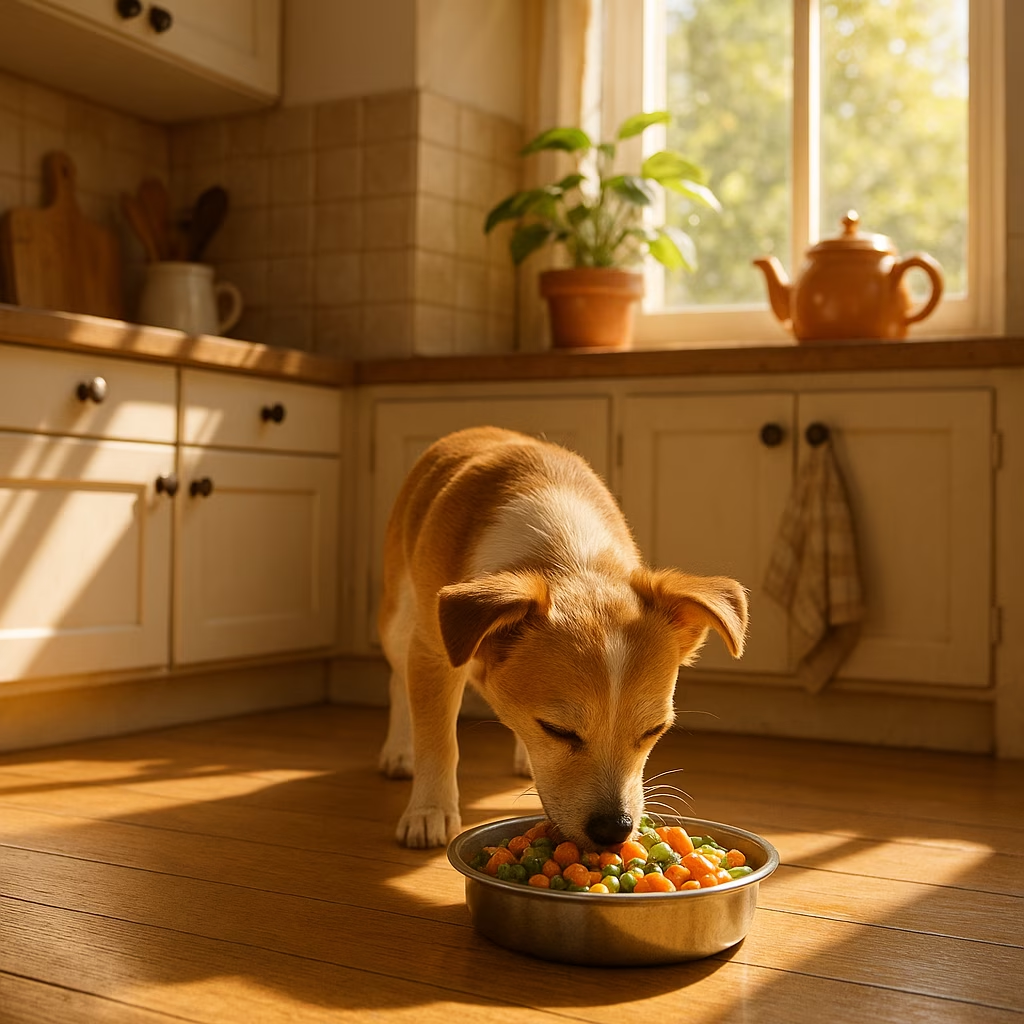
❗ The Heart Health Connection: Recent Research Findings
Recent FDA research has revealed concerning connections between potato consumption and canine dilated cardiomyopathy (DCM), particularly when potatoes serve as primary ingredients in dog foods alongside legumes. DCM is a serious heart condition that reduces the heart's pumping efficiency and increases its size, potentially leading to congestive heart failure or sudden cardiac death. While genetics play a significant role in DCM development, dietary factors have emerged as important contributors, especially in breeds not typically predisposed to the condition.
| Risk Factor | Impact on Dogs | Preventive Measures |
|---|---|---|
| Raw Potatoes | Solanine poisoning | Always cook thoroughly |
| Potato Skins | Toxin concentration | Remove completely |
| High Frequency | Obesity, diabetes | Limit to occasional treats |
| With Legumes | Increased DCM risk | Avoid combined in primary diet |
🍠 Sweet Potatoes: The Superior Alternative
Sweet potatoes have emerged as the nutritional champion in the tuber family for canine consumption. Unlike regular potatoes, sweet potatoes offer:
-
Enhanced vitamin profile - Particularly rich in Vitamin A, crucial for vision and immune health
-
Better mineral balance - Higher levels of potassium, calcium, and magnesium
-
Digestive benefits - Fiber content supports gastrointestinal health
-
Blood sugar regulation - Lower glycemic impact compared to white potatoes
The transformation from regular to sweet potatoes in a dog's diet is like swapping a basic calculator for a sophisticated scientific instrument—both can perform basic functions, but one offers significantly more precision and beneficial features.
🚫 What to Absolutely Avoid
Certain potato preparations and parts should never reach your dog's bowl:
-
Raw potatoes or any green-tinged portions (highest solanine concentration)
-
French fries and potato chips (excessive salt, fat, and potentially toxic oils)
-
Mashed potatoes with butter, cream, or garlic (common toxic additives for dogs)
-
Potato salad (often contains onions, which are toxic to dogs)
-
Canned potatoes (typically high in sodium)
✅ Safe Preparation Guidelines
If you choose to offer potatoes as an occasional treat, follow these preparation rules:
Cooking Method:
-
Boiling (in plain water, no salt)
-
Baking (without oils or seasonings)
-
Steaming (preserves nutrients while cooking thoroughly)
Serving Guidelines:
-
Portion control - Treats should not exceed 10% of daily caloric intake
-
Cool completely - Prevent mouth burns
-
Mash or dice - Appropriate size for your dog's breed
-
Monitor reactions - Introduce slowly and watch for digestive upset
🩺 Special Health Considerations
Certain canine health conditions warrant complete potato avoidance:
Diabetes: Potatoes can cause rapid blood sugar spikes, complicating glucose management. The starchy carbohydrates break down quickly, creating what nutritionists call a "metabolic rollercoaster"—sharp rises followed by dramatic drops in blood sugar levels that strain a diabetic dog's system.
Obesity: With approximately 56% of dogs classified as overweight or obese as of 2026, high-carbohydrate foods like potatoes contribute significantly to this epidemic. Each extra pound on a dog equates to approximately five pounds on a human, making weight management crucial for joint health and longevity.
Pancreatitis History: Dogs with previous pancreatic inflammation should avoid high-fat potato preparations and generally limit starchy foods that trigger insulin production.
🍽️ Integration with Overall Diet
Dogs are primarily carnivorous animals whose diets should center on high-quality animal proteins. Potatoes and other carbohydrates should serve only as occasional supplements rather than dietary staples. The ideal canine diet breakdown as recommended by veterinary nutritionists in 2026 includes:
-
70-80% High-quality animal protein
-
10-15% Vegetables and fruits
-
5-10% Healthy carbohydrates (only when needed)
-
<5% Treats and supplements
🏥 When to Seek Veterinary Care
Immediate veterinary attention is required if your dog exhibits any of these symptoms after potato consumption:
⚠️ Solanine Poisoning Signs:
-
Gastrointestinal distress (vomiting, diarrhea)
-
Neurological symptoms (tremors, confusion)
-
Cardiac abnormalities (irregular heartbeat)
-
Dilated pupils or vision problems
⚠️ General Adverse Reactions:
-
Allergic responses (itching, swelling)
-
Breathing difficulties
-
Lethargy lasting more than 24 hours
-
Refusal to eat or drink
🔮 The Future of Canine Nutrition
As research continues to advance, our understanding of optimal canine nutrition evolves. The trend toward personalized pet diets—considering breed, age, activity level, and health status—has gained significant momentum by 2026. While potatoes may occasionally find their way into a dog's bowl, the consensus among veterinary nutritionists emphasizes whole-food alternatives with better nutritional profiles and fewer risks.
Ultimately, the relationship between dogs and potatoes serves as a microcosm of larger nutritional principles: not all human foods translate well to canine systems, and what seems harmless may carry hidden dangers. By approaching shared foods with knowledge, caution, and moderation, dog owners can make informed decisions that prioritize their pets' long-term health and wellbeing. Always consult with a veterinarian before introducing new foods, and remember that sometimes, the safest treat is one specifically formulated for canine consumption.
Comments